Monthly Archives: April 2025

How to Create Hex Polygon/Tile Grid Maps in Tableau dailybitalks.com

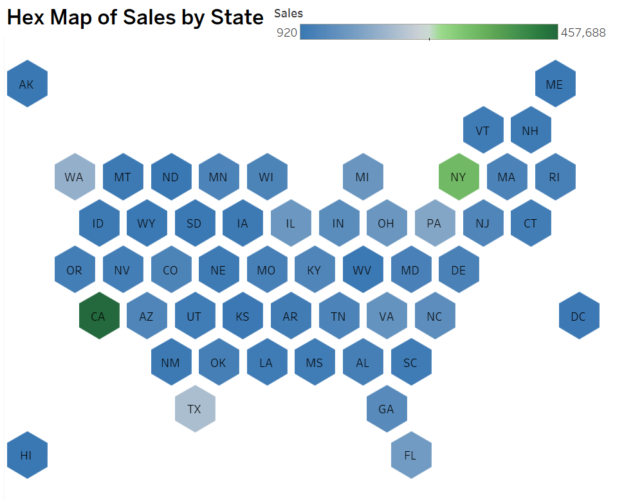
How to Create Hex Polygon/Tile Grid Maps in Tableau

Hex maps or Tile grip maps are a visually appealing alternative to traditional geographic maps. They arrange regions or states into a grid of hexagons, standardizing their size and shape while maintaining their relative positioning. This approach eliminates distortion caused by geographic size differences and focuses on comparative analysis.

Continue reading →
How to Create Tilted Bar Charts in Tableau dailybitalks.com

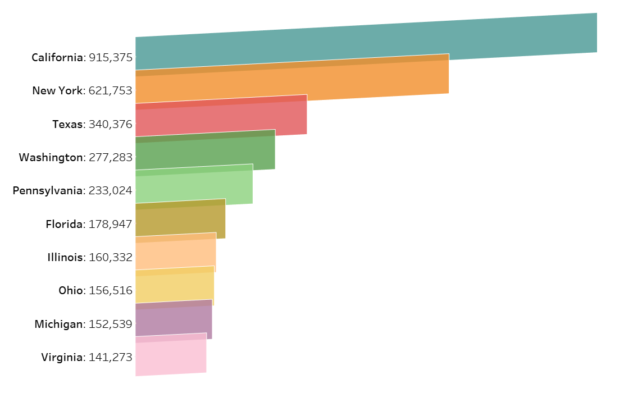
How to Create Tilted Bar Charts in Tableau

Tilted bar charts, with their unique slanted orientation, offer a fresh perspective for visualizing comparative data. These charts can help your dashboards stand out while providing insightful visual analysis. In this tutorial, we’ll guide you through creating a tilted bar chart in Tableau using the Sample Superstore dataset.

Continue reading →
Tableau Tips: How to Make a Lolipop Chart (out of Plain Bar Chart) dailybitalks.com

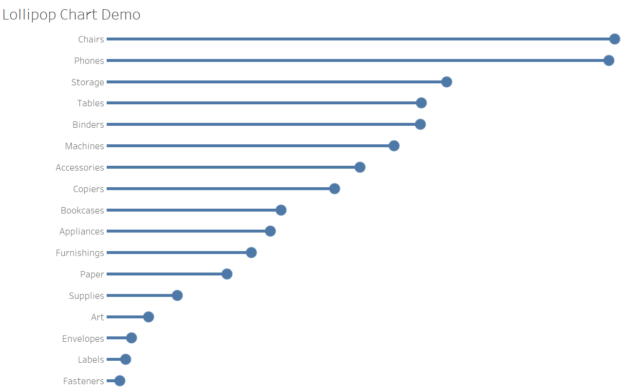
Tableau Tips: How to Make a Lollipop Chart (out of Plain Bar Chart)

Lollipop charts are a fun and visually engaging way to display data. They combine the simplicity of a bar chart with the precision of a scatter plot, making it easy to highlight specific data points. In this tutorial, we’ll create a lollipop chart in Tableau using the Superstore dataset to showcase sales performance across categories.

Continue reading →
How to Create Donut Bar in Tableau(Super Easy!) dailybitalks.com

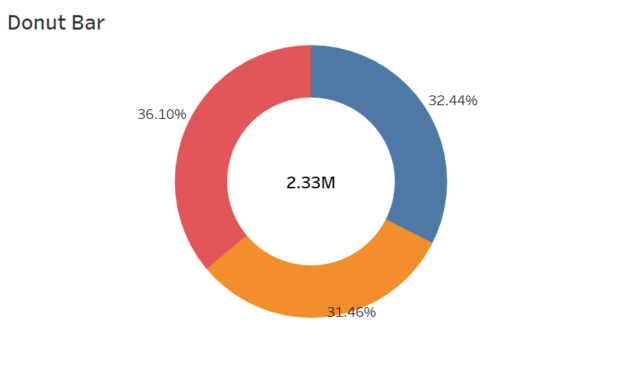
How to Create Donut Bar in Tableau(Super Easy!)

Donut charts are a variation of pie charts that are sleek, visually appealing, and effective for showing proportions or contributions of parts to a whole. The central hole in a donut chart creates space for additional information, such as a total value or key metric, which enhances the chart’s storytelling capability. In this blog post, I’ll guide you step-by-step on how to create a donut chart in Tableau, referencing the best practices from trusted sources.

Continue reading →