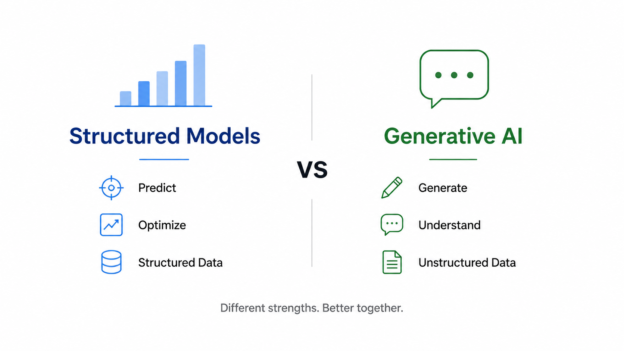
Over the past two years, Generative AI has dominated headlines.
ChatGPT can write emails.
Claude can summarize documents.
LLMs can answer questions, generate code, and even perform research.

Over the past two years, Generative AI has dominated headlines.
ChatGPT can write emails.
Claude can summarize documents.
LLMs can answer questions, generate code, and even perform research.
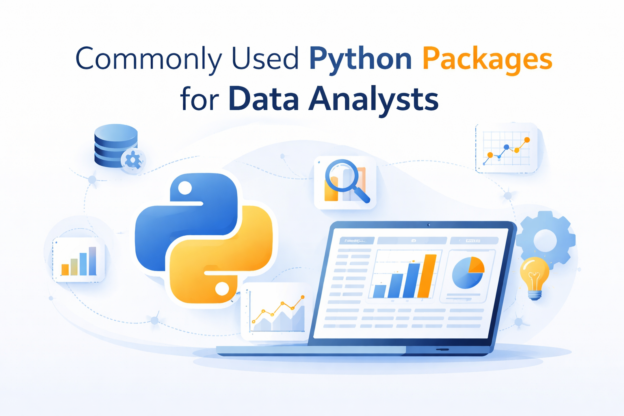
If you’re working as a data analyst today, Python is no longer just a “nice to have.” It’s part of the daily toolkit.
But here’s the reality:
Continue readingMost analysts don’t need dozens of libraries — they need a small, reliable stack, used well.
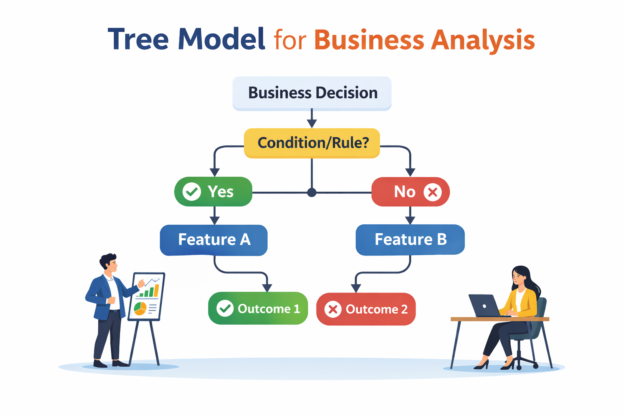
Tree models are among the most widely used machine learning methods in modern business systems.
From fraud detection and churn prediction to logistics risk scoring and pricing optimization, tree-based models power decisions across industries.
Continue reading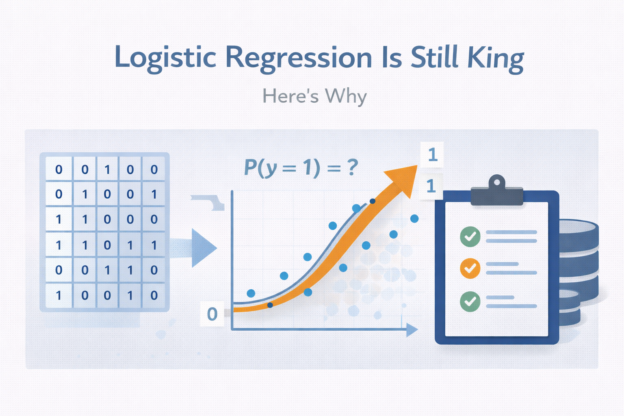
In a world filled with gradient boosting, deep learning, and AutoML tools, logistic regression can feel almost embarrassing to mention.
It’s old.
It’s simple.
It’s taught in every intro course.
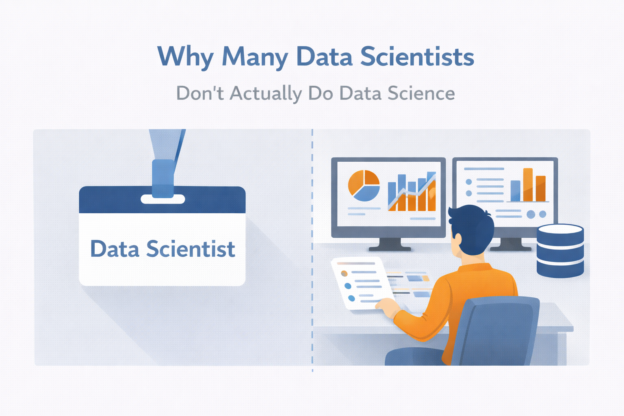
Over the past decade, data scientist has become one of the most attractive titles in tech.
It promises impact, influence, and technical depth.
It suggests working on hard problems, building models, and shaping decisions with data.
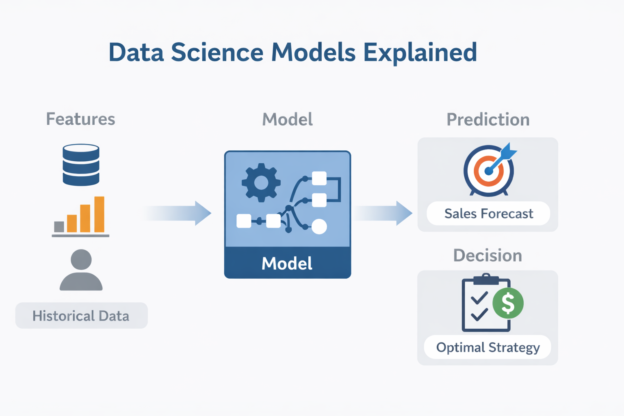
If you’ve worked in BI or analytics long enough, you’ve probably heard people talk about models as if they were something mysterious.
“Once we build a model, we can predict this.”
“The model says this user will churn.”
“We need a better model for this problem.”